Electrostatic Discharge (ESD) In Electronics

Electrostatic Discharge (ESD) In Electronics

What is Electrostatic Discharge (ESD) 

Electrostatic Discharge (ESD) is the release of stored static electricity when two objects come into contact. While most ESD incidents are not harmful to the human body, they can pose difficult and costly difficulties in particular industrial settings. Static electricity is an issue in the production of electronics and medical devices.

The ESD susceptibility symbol

ESD Protection Area (EPA)

A zone that protects against electrostatic discharges is known as an EPA (ESDPA - Electrostatic Discharge Protected Area).  A static electricity-resistant environment is an EPA. The whole workplace, including all equipment, tools, and people, will have the same electrical potential in the EPA. This is accomplished simply by covering all surfaces, containers, and instruments with 'groundable' materials. All surfaces, objects, and people are bound to the Ground, which implies they are connected with a 1 gigohm resistance. Movable devices (such as containers and tools) get bound when they remain on a connected surface or are held by a bonded person.

Electronics Manufacturing

Furthermore, ESD-protected locations should be appropriately identified and designated with EPA stickers, warnings, floor marking tape, and so on, to avoid inadvertent mistakes.

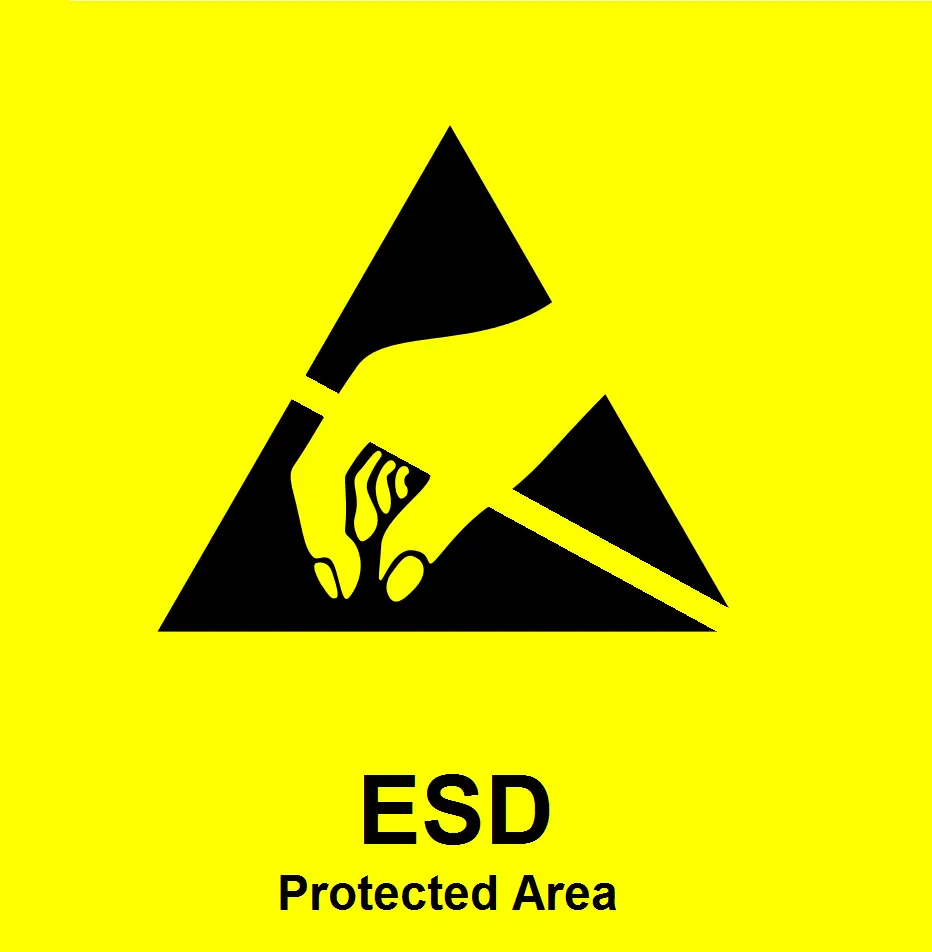
ESD protected area, EPA

EPA Includes

  1. Grounding wrist straps and heel straps - eliminate static buildup on employees
  2. ESD floor and work surface mats - assist with discharge
  3. Static-resistive clothing - such as shoe covers and specialized work wear made with synthetic fibers
  4. Continuous monitors - help employees identify the effectiveness of their safety equipment
  5. Gloves and finger cots - allow workers to safely handle and work with ESD-sensitive equipment
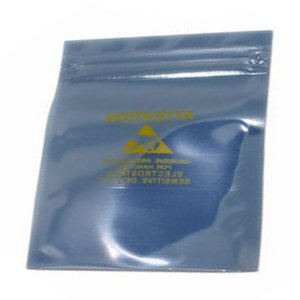
  6. Specialized ESD packaging - protects sensitive electronic equipment during transit
  7. Ionization - Air ionization helps to remove static charges from isolated conductors and insulating materials


Important Of ESD Protection 

An electrostatic discharge can damage electronic devices or components which are sensitive to electrostatic discharge. When someone replaces a cable or merely touches an I/O Port or a PCB without employing an ESD protection facility, the electrostatic discharge could damage an electronic system. Discharges produced by these normal occurrences have the potential to permanently destroy the related Integrated Circuits(ICs and Components). For to prevent this situation it is important to have proper ESD Wearables such as ESD Gloves, ESD Wrist Straps, ESD Coats, ESD Footwear, ESD coated Tools (Screw Drivers, Wrenches, Calipers, Scales, Bit holders, Tweezers, Waste bins, Brushes).

What can happen without ESD Protection? 

Watch this video:


    • Related Articles

    • 3 types of electronic trade: SKD/CBU/CKD

      In the fast-paced world of international trade within the electronics industry, manufacturing and assembly methods play a crucial role in optimizing costs, meeting market demands, and complying with regulations. Three common approaches are ...
    • Asus AIO E3402 RAM Upgradation

      Asus AIO E3402 RAM Upgradation Upgrading and replacing components in the most current Asus AIO PC series needed extra caution. Because they are more sleek and thin than earlier models., especially while opening the device. Otherwise, there is a ...
    • Backplane Replacement for Supermicro AS-8125GS-TNHR-G1- 8U - HGX-H200

      Steps for removal of backplane Power Down & Disconnect Use the operating system to power down the system Disconnect the power cord(s) from the power supply module(s) Remove Server from Rack (if required) Removing the Motherboard Tray Pull down the ...
    • PCIe Gen5 Switch Board Replacement

      1. Objective The objective of this Method of Procedure (MOP) is to safely replace the defective PCIe Gen5 Switch Board in the Supermicro server while minimizing system downtime and ensuring all PCIe devices, including GPUs, NICs, NVMe drives, and ...
    • ASUS Server Testing Workflow – MBUZZ Service Center

      This document outlines the mandatory steps to be completed before submitting any ASUS server to the QC department. All engineers must strictly follow these procedures to ensure consistency, reliability, and compliance with MBUZZ service standards. ...
    • Popular Articles

    • CP Plus Camera and NVR Configuration

      NVR Configuration The CP Plus Pro Series of NVRs have been meticulously designed for providing you with upgraded performance and higher recording quality in your IP video surveillance solution. The robust processor that has been inculcated in this ...
    • Kerberos Authentication – Overview

      What is Kerberos? Kerberos is a secure authentication method used in our Active Directory (AD) environment (mbuzztech.com). It allows users to: Access multiple systems without re-entering passwords (Single Sign-On – SSO) Log in once Where We Use It ...
    • How to Remove and Reinstall NVIDIA Drivers on Ubuntu

      This article provides step by step guide to completely remove existing NVIDIA drivers and reinstall specific version of the NVIDIA driver on the Ubuntu system Prerequisites Administrative (sudo) access to the Ubuntu system. Internet access to ...
    • Personal Computers and Servers - Classification and Point of Contact

      We can classify the computers that MBUZZ handles based on their form-factor as below: Tower Workstations, Desktops, Gaming PCs and SFF (Small form factor) PCs fall under this category. These are computers people would use on a desk and rarely move. ...
    • M.2 SSD Tier List

      The sequential read and write speeds, which are usually the most advertised number, are not a proper benchmark of real-world performance or the quality of an SSD. This article categorizes and tiers SSDs based on factors like the type of NAND flash, ...